


Why Is Adenovirus Infection in Children a Pediatrician’s Toughest Challenge?
Recently, pediatric clinics have reported increased attention to adenovirus infections. Parents often ask: “Doctor, my child's fever is terrifying. Antipyretics only work for an hour, their eyes are red, and flu and mycoplasma tests are negative. What is this?” The answer is usually: adenovirus.
In many cases, adenovirus infection in children may be one of the pathogens that clinicians need to consider, especially when persistent high fever, red eyes, sore throat, and respiratory symptoms appear together.

According to China CDC surveillance data for Week 21, 2026 (May 18–24), the national respiratory adenovirus positivity rate in children rose to 2.8%, nearly doubling compared with two weeks earlier, with some northern regions exceeding 4%. Often mistaken for a common cold or other respiratory infection, adenovirus can cause more serious disease in young children, particularly in those under 5 years old or with weakened immune systems. Parents and healthcare providers should remain vigilant.
Why Is Adenovirus a Pediatrician’s Toughest Challenge?
Adenovirus is not a new virus, but its clinical impact is often underestimated. It can be difficult to identify early because adenovirus symptoms in children often overlap with many common pediatric respiratory infections. Key clinical characteristics include:
1. Fierce and Stubborn High Fever
Many infected children develop a high fever, sometimes above 39°C. Antipyretics may provide only temporary relief before the temperature rises again. In some cases, fever may last for 3–7 days, and occasionally longer in children with weaker immune responses.
This persistent fever is often one of the main reasons parents seek repeated medical attention.
2. Highly Contagious
Adenovirus spreads through respiratory droplets, direct contact, contaminated surfaces, and the fecal-oral route. It can easily trigger outbreaks in daycares, schools, pediatric wards, and swimming pools.
The virus can survive on surfaces for extended periods. Children may become infected after touching contaminated toys, desks, doorknobs, or other shared objects and then touching their mouth, nose, or eyes.
3. Attacks Multiple Organ Systems
Adenovirus infection is not limited to cold-like symptoms. It may affect multiple organ systems, including:
- Respiratory tract: pharyngitis, tonsillitis, bronchitis, and pneumonia
- Eyes: conjunctivitis and keratitis
- Gastrointestinal tract: vomiting, diarrhea, and abdominal pain
- Urinary system: hemorrhagic cystitis
In severe cases, adenovirus infection may also be associated with complications involving the lungs, heart, liver, or nervous system. Although these complications are uncommon, they require close medical attention.
4. No Specific Routine Antiviral Treatment
For most adenovirus infections, there is no specific routine antiviral treatment. Clinical management mainly relies on supportive care, such as fever control, hydration, respiratory support when necessary, and monitoring for disease progression.
Because treatment is largely supportive, timely identification and risk assessment are important for guiding clinical decisions and avoiding unnecessary antibiotic use.
5. Risk of Severe Illness
Most adenovirus infections are mild and self-limiting. However, adenovirus pneumonia can be severe in some children, especially infants, young children, immunocompromised patients, or children with underlying respiratory conditions.
If a child develops persistent high fever, worsening cough, rapid breathing, shortness of breath, lethargy, dehydration, or signs of respiratory distress, medical evaluation should be sought promptly.
Adenovirus Testing in Children: When Is Testing Needed?
If a child has a mild adenovirus infection, laboratory testing may not always be necessary. However, if adenovirus symptoms in children are severe, prolonged, or occur during a suspected outbreak, healthcare providers may consider adenovirus testing to support clinical assessment.
To test for adenovirus infection in children, healthcare providers may collect a respiratory sample from the nose or throat, such as a nasopharyngeal swab or throat swab. In professional healthcare settings, adenovirus antigen testing can help detect adenovirus antigens during the acute phase of infection.
An adenovirus antigen rapid test may also support timely differentiation from influenza, RSV, Mycoplasma pneumoniae, and other respiratory pathogens with similar clinical presentations. However, laboratory tests for adenovirus are not routine for every mild case and are usually considered based on symptoms, clinical judgment, and outbreak conditions.
Doctor's Advice: When Should You Be Concerned About Adenovirus?
Adenovirus infection should be considered when a child presents with persistent high fever, red eyes, white exudate on the tonsils, sore throat, or respiratory symptoms—especially when flu and Mycoplasma tests are negative.
For timely pathogen identification, Medotex Biotech provides an Adenovirus Antigen Detection Solution for professional healthcare settings. The solution is designed to support rapid adenovirus antigen detection and help healthcare professionals make faster, more informed clinical decisions.
Related Adenovirus Rapid Test Products
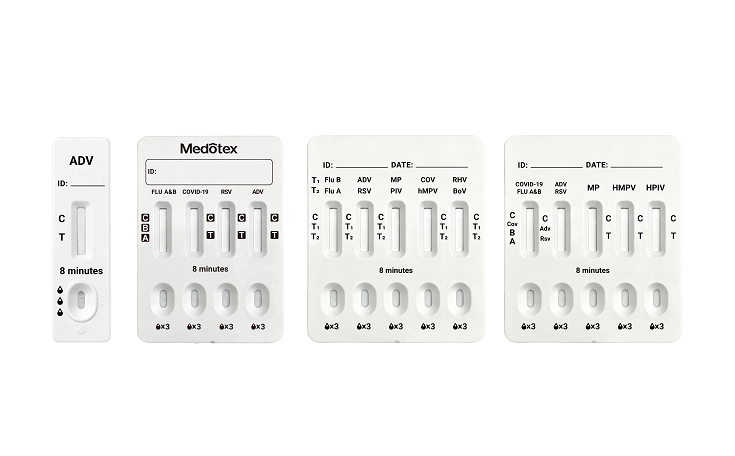
Early identification does not replace clinical judgment, but it can support appropriate supportive care, infection control, and close monitoring of children at risk of severe disease.

Contact
Satisfaction quality, Just-in-time service, and Key-cost offering
©2026 shopastro All Rights Reserved.