

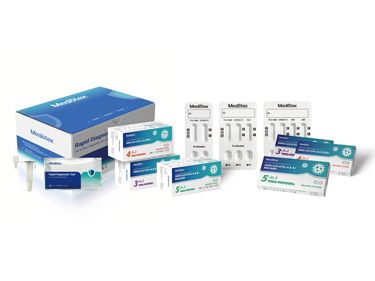
How to Choose a Respiratory Combo Test Kit
Choosing the right respiratory combo test kit depends on diagnostic scope, workflow needs, and clinical setting. In most cases, a multi pathogen respiratory test (multiplex panel) offers better efficiency and faster decision-making than single-pathogen testing—especially during peak respiratory seasons.
Why Combo Testing Is Critical for Respiratory Infection Diagnosis
Respiratory infections often present with overlapping symptoms such as fever, cough, and fatigue. This makes it difficult to distinguish between pathogens like influenza, RSV, and SARS-CoV-2 based on symptoms alone.
A respiratory combo test enables simultaneous detection of multiple pathogens, reducing diagnostic uncertainty. According to global public health guidance, rapid identification of respiratory pathogens is essential for infection control and treatment decisions.
From a clinical and operational perspective, using a respiratory antigen test combo improves triage efficiency and reduces unnecessary isolation or treatment.
In addition, co-infections are not uncommon in respiratory diseases, especially among pediatric and elderly populations. Studies have shown that simultaneous infections with influenza and RSV or other pathogens can complicate clinical presentation and delay appropriate treatment.
Using a multi pathogen respiratory test helps clinicians identify co-infections early, which supports more accurate treatment decisions and improves patient outcomes. This further reinforces the importance of adopting a respiratory combo test in routine diagnostics.
What Is a Respiratory Combo Test and How Does It Work?
A respiratory combo test kit is a type of rapid diagnostic assay designed to detect multiple respiratory pathogens from a single sample. Most are based on lateral flow immunoassay technology and provide results within minutes.
These tests function by identifying pathogen-specific antigens in respiratory samples. A multiplex respiratory panel allows clinicians to test for several infections at once, improving both speed and diagnostic accuracy.
Understanding how these systems work is essential when evaluating how to choose multiplex test solutions for clinical use.
Compared with traditional laboratory-based molecular testing, a respiratory rapid test kit offers advantages in speed and accessibility. While PCR tests provide high sensitivity, they often require specialized equipment and longer turnaround times.
In contrast, rapid antigen-based respiratory combo test kit solutions allow decentralized testing in clinics, emergency settings, and even field environments. This flexibility is an important consideration when evaluating how to choose a respiratory test kit for diverse healthcare settings.
Which Pathogens Can Be Detected in a Single Respiratory Test?
Modern multi pathogen respiratory test solutions can detect a wide range of viruses and bacteria. The exact panel depends on the product design, commonly may include pathogens as below:
- SARS-CoV-2
- Influenza A and B
- Respiratory Syncytial Virus (RSV)
- Adenovirus (ADV)
- Mycoplasma pneumoniae (MP)
- Parainfluenza (hPIV)
- Rhinovirus (RHV)
- Human Metapneumovirus (HMPV)
- Streptococcus pneumoniae(SP)
A well-designed respiratory rapid test kit should cover the most prevalent pathogens in the target region. This is a key consideration when deciding which respiratory test panel should hospitals use.
Key Factors to Consider When Selecting a Respiratory Testing Solution
When evaluating a respiratory combo test kit, several factors should be considered to ensure clinical and operational suitability.
- Diagnostic coverage: Does the test include relevant pathogens?
- Turnaround time: Can results be delivered quickly for clinical decisions?
- Accuracy: Are sensitivity and specificity validated?
- Ease of use: Is the test suitable for point-of-care settings?
- Regulatory compliance: Does the product meet CE or other regulatory requirements?
Another important factor is supply reliability. Healthcare facilities must ensure that the chosen respiratory test supplier can provide consistent product availability, especially during peak respiratory seasons when demand increases significantly.
Inconsistent supply can disrupt clinical workflows and delay diagnosis. Therefore, evaluating manufacturing capacity and supply chain stability is a key step in how to select multiplex respiratory panel solutions.
These criteria help answer how to choose a respiratory test kit effectively and reduce procurement risk.
To better understand how multiplex testing can improve diagnostic accuracy and operational efficiency, consider reading more on how multiplex respiratory testing works in our detailed guide on Multiplex Respiratory Testing. These criteria help answer how to choose a respiratory test kit effectively and reduce procurement risk.
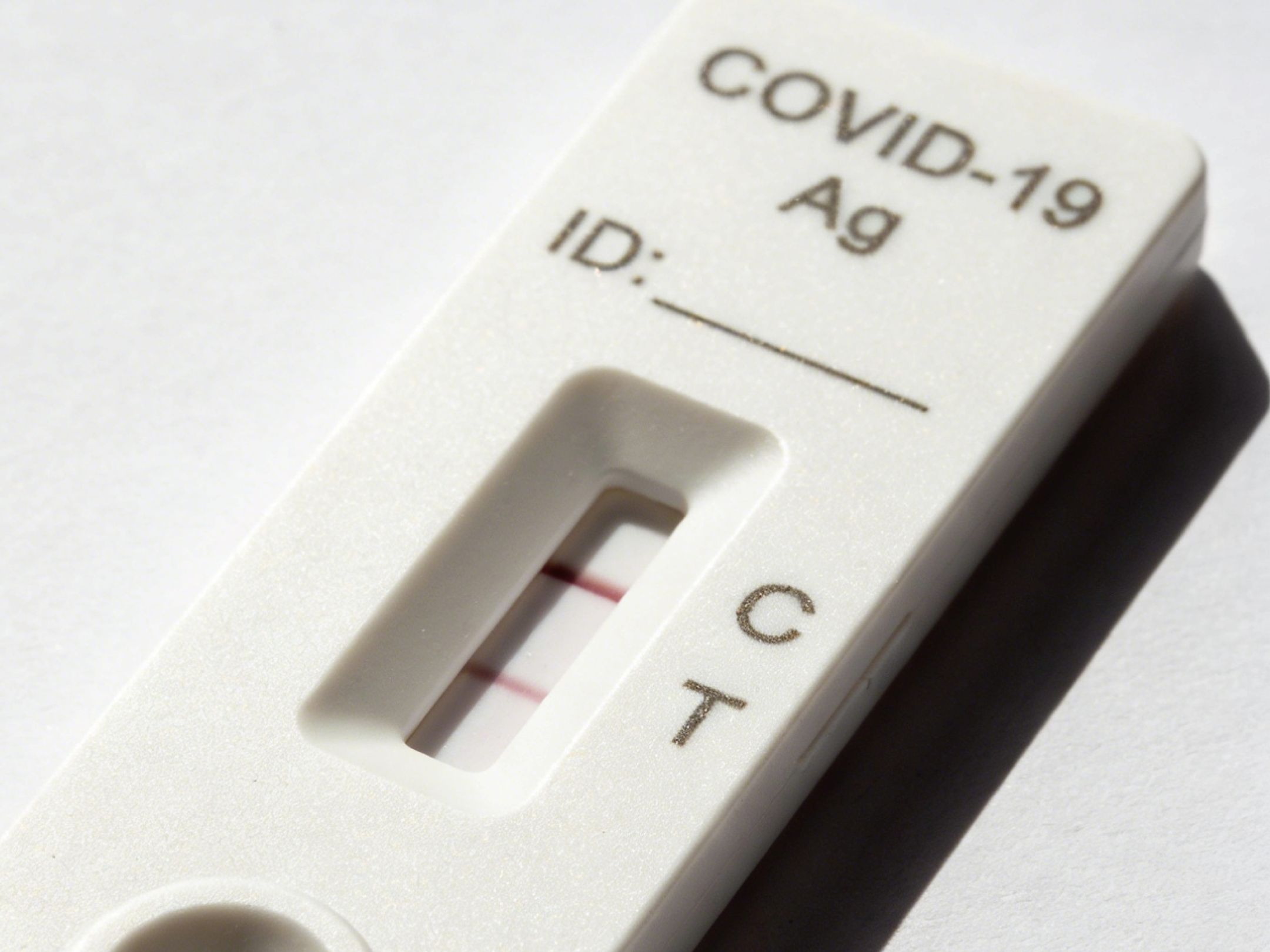
3-in-1 vs 4-in-1 vs 5-in-1+ Respiratory Combo Kits
The number of detectable pathogens is a key differentiator in respiratory combo test solutions.
Diagnostic Scope and Efficiency
3-in-1 respiratory combo kits typically include COVID-19 and influenza A/B. While useful, they may not cover other common pathogens like RSV.
4-in-1 and 5-in-1 combo test panels expand coverage, improving diagnostic accuracy in cases with overlapping symptoms. A broader multiplex respiratory panel reduces the need for repeat testing.
Cost vs Value
While higher-multiplex kits may have a higher unit cost, they often reduce overall testing expenses by minimizing repeat tests and improving workflow efficiency. This is a key factor in determining what is the best respiratory combo test kit for a facility.
How to Choose the Right Test Kit for Hospitals and Clinics
When selecting the right respiratory test supplier and product, healthcare facilities need to assess several key factors to ensure that the test kit aligns with their clinical needs and operational workflows.
1. Aligning Test Capabilities with Healthcare Setting
Different healthcare environments—hospitals with high patient volumes, small clinics, and specialized labs—have unique needs. It's essential to understand these needs to select the best test kit.
Hospitals with High Patient Volumes:
Hospitals dealing with a large number of patients daily often need comprehensive multiplex panels that can detect multiple pathogens (e.g., SARS-CoV-2, Flu A/B, RSV, Adenovirus, Mycoplasma Pneumoniae) in one test. These hospitals prioritize high throughput, quick results, and diagnostic accuracy to ensure efficient patient triage and timely treatment. A 5-in-1 multiplex panel might be more suited here, reducing the need for multiple tests.
Example: A hospital emergency department (ED) during flu season needs to quickly distinguish between COVID-19 and Influenza A/B. A multiplex rapid test can detect these in 8 to 15 minutes, enabling doctors to decide on the right course of action—whether to initiate antiviral treatment or isolation protocols.
Clinics and Outpatient Care:
Smaller clinics or outpatient settings typically prioritize ease of use and quick turnaround times. Here, 3-in-1 or 4-in-1 tests that focus on the most common respiratory pathogens (e.g., COVID-19, Flu A/B, RSV) may be more appropriate. These kits are designed for use by non-specialist staff and require minimal training.
Example: A family clinic might focus on a 3-in-1 test for COVID-19, Flu A/B, and RSV to efficiently test patients with respiratory symptoms without the need for a specialized lab setup.
2. Test Performance: Speed, Accuracy, and Sensitivity
One of the most crucial aspects of choosing a respiratory test kit is ensuring it offers high accuracy and rapid results—both of which are vital for clinical decision-making.
Diagnostic Accuracy:
Sensitivity and specificity are key when selecting a test kit. Test kits should be validated for high sensitivity (ability to correctly identify positive cases) and specificity (ability to correctly identify negative cases). For example, SARS-CoV-2 and Flu should be distinguishable without cross-reactivity in one test.
Tip: Ensure that the test kit's performance has been validated in real-world settings and meets or exceeds the required benchmarks (e.g., WHO or CDC recommendations).
Turnaround Time:
The faster the results, the quicker the medical team can make treatment decisions, especially in high-pressure environments like emergency departments. Tests that deliver results in 15 minutes or less are preferred for quick triage. However, in high-accuracy settings like hospital labs, tests with longer turnaround times (e.g., PCR-based multiplex testing) might be preferred due to their high accuracy.
Example: If a clinic is handling a high volume of patients during flu season, rapid antigen-based tests that deliver results in under 15 minutes will help reduce wait times and improve patient flow.
3. Supply Reliability and Scalability
Supply chain reliability is often overlooked but is crucial for ensuring that testing remains consistent during peak seasons when demand surges.
Procurement Stability:
Hospitals and clinics must ensure that the respiratory test kit supplier can provide consistent product availability, especially during peak respiratory seasons (e.g., flu season, COVID-19 outbreaks). If supplies run low, this could disrupt workflows, delay diagnostics, and create bottlenecks in patient care.
Tip: Verify that the supplier has the manufacturing capacity to handle high-volume orders during peak periods. Suppliers with transparent supply chain management can ensure timely delivery of test kits and avoid delays.
Scalability:
Facilities should choose test kits that are scalable—i.e., the ability to ramp up testing without compromising on quality or efficiency. This is especially important for larger hospitals or urgent care centers that may need to expand their testing capacity quickly during a respiratory illness outbreak.
4. Ease of Use and Training Requirements
A well-designed test kit should be simple for staff to use, even without specialized training. The easier the test is to operate, the less time staff will need to spend on training and troubleshooting, reducing the likelihood of user error.
Training and User Variability:
Test kits with clear instructions and minimal steps are ideal, especially in high-volume settings. Ensuring standardized procedures across different operators can help reduce discrepancies in test results.
Example: In clinics or emergency departments, a single-step rapid antigen test might be preferable to more complex PCR tests, as the latter require specific equipment and trained personnel to operate, which can slow down testing during peak demand.
5. Regulatory Compliance and Certifications
Before selecting a test kit, it's essential to verify that it meets relevant regulatory standards, such as:
- CE Marking (Europe)
- ISO 13485 (quality management systems)
- IVDD/IVDR compliance for in vitro diagnostics
- MDA (Medical Device Authority) for Malaysia market
- HSA (Health Sciences Authority) for Singapore market
- US FDA for US market
- Health Canada
- MDSAP certificates
- Thai FDA for Thailand market
- PFDA for Philippines market
Ensuring the test kit is CE certified or meets IVDD/IVDR regulations can provide peace of mind, knowing that the kit meets global standards especially Europe for safety and performance.
Tip: Only choose test kits that are approved for use in your local region and ensure that the manufacturer provides the necessary certification and documentation.
Common Mistakes in Selecting Respiratory Diagnostic Tests
Choosing the wrong testing solution can lead to inefficiencies and diagnostic delays. Common mistakes include:
- Selecting tests with insufficient pathogen coverage
- Ignoring workflow compatibility
- Overlooking regulatory compliance
- Focusing only on unit price instead of total cost
These issues highlight the importance of understanding how to choose multiplex test strategies and evaluating the full value of a respiratory rapid test kit.
Another common issue is underestimating the importance of panel design. Selecting a test with irrelevant or incomplete pathogen coverage may lead to missed diagnoses or unnecessary follow-up testing.
To avoid this, decision-makers should carefully evaluate local epidemiology and seasonal trends when choosing a multiplex respiratory panel. This approach ensures that the selected respiratory combo test kit aligns with real clinical needs.
Why Choose Medotex Respiratory Combo Test Solutions
Medotex provides advanced respiratory test kits designed for multi-pathogen detection and clinical efficiency. Our products support multiplex respiratory panel testing with reliable performance and fast turnaround (results in under 15 minutes).
- CE-certified solutions for high-quality testing
- Comprehensive pathogen coverage (detecting up to 8 pathogens in one test)
- Scalable solutions for high-volume settings like hospitals and clinics
- A reliable supply chain ensuring consistent product availability during peak seasons
- Global compliance with international standards, ensuring dependable results worldwide
Medotex’s respiratory test solutions are trusted by hospitals, laboratories, and distributors for their speed, accuracy, and clinical efficiency.
Explore how Medotex can enhance your diagnostic capabilities.
To learn more about our solutions, feel free to contact us for additional details or to request a personalized consultation. Our team is here to assist you in selecting the most suitable respiratory test solution for your facility.
Conclusion
Selecting the right respiratory combo test kit requires balancing diagnostic coverage, speed, and operational needs. As respiratory infections continue to present diagnostic challenges, multi pathogen respiratory test solutions are becoming increasingly important.
For healthcare providers seeking efficient and scalable diagnostic tools, working with experienced manufacturers such as Medotex can support better clinical outcomes and streamlined workflows.

Contact
Satisfaction quality, Just-in-time service, and Key-cost offering
©2026 shopastro All Rights Reserved.